

Description
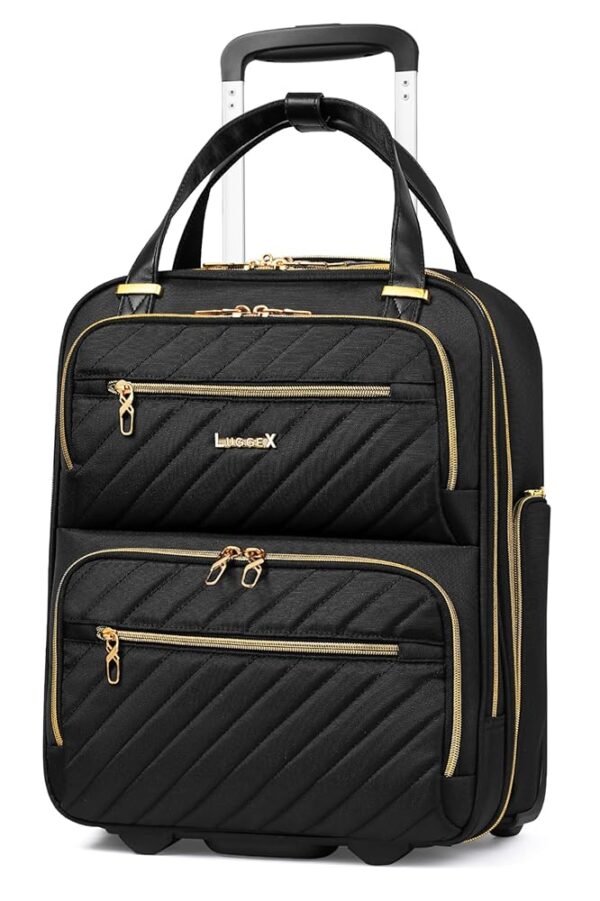
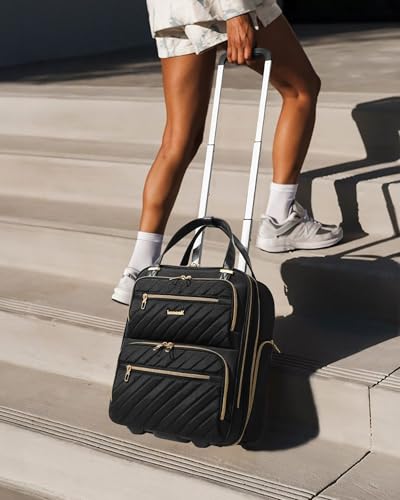
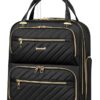
The LUGGEX underseat is a 16 inch soft sided rolling personal item bag, which is a different category of product from the cabin sized uprights that dominate this site. It is built to go under the seat in front of you rather than into an overhead bin, and it is bought by people trying to fly a basic economy fare without paying for a carry on. The listing leads with the words airline approved, and that is a claim we will attribute rather than repeat, because personal item allowances vary more between carriers than carry on allowances do.
The traveler and the trip
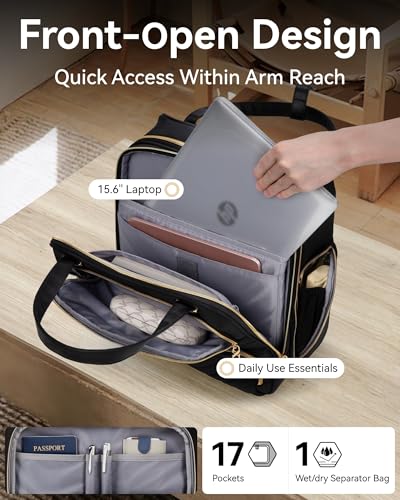
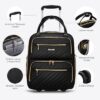
This is an overnight and one to two night bag, or a work bag for someone who commutes by air. The padded compartment takes a 15.6 inch laptop, the front organizers hold a boarding pass, pens and a power bank, and the main compartment takes a change of clothes and a toiletry bag. At 4.75 pounds empty it is light enough to lift into an overhead bin as a backup if the underseat space turns out to be occupied by a bulkhead or an equipment box.
The other buyer is the person who already has a cabin case and wants a second bag that rides on top of it. LUGGEX includes a sleeve on the back that slides over a telescoping handle, so this pairs with an upright such as the LUGGEX zipperless carry on rather than competing with it.
It does not suit trips longer than two nights, and it does not suit anyone who needs a rigid shell. Full size cabin bags sit in carry on luggage.
Dimensions, and what personal item actually means
The published dimensions are 15.7 by 13.4 by 7.7 inches, and both the attribute block and the manufacturer bullet give the same figure, which is a rare agreement in this catalog. The listing does not state whether the wheels and the handle are inside that measurement, and on a bag with recessed wheels that question is less critical than on a spinner, but it is still unanswered.
The claim, and how to check it
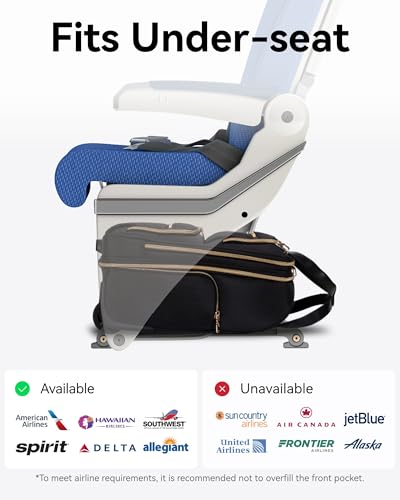
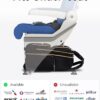
LUGGEX states that the bag meets most airlines’ personal item sizes and fits under the seat or in the overhead bin. That is the maker’s claim, hedged with the word most, and it is not one we will restate in our own voice. Personal item allowances in the United States commonly sit around 18 by 14 by 8 inches, and at 15.7 by 13.4 by 7.7 this bag is inside that on all three axes with margin on two of them. That is genuinely encouraging. It is also not universal. Several budget and ultra low cost carriers publish tighter personal item boxes and enforce them with a rigid gauge at the gate, and international carriers vary more still.
The listing itself adds a caveat worth quoting: it recommends not overfilling the front pocket in order to meet airline requirements. That is the maker telling you the published depth of 7.7 inches is measured with the front pocket flat, and that a stuffed front pocket puts the bag over. Take that seriously, because the front organizer is the pocket you are most likely to overload with a water bottle and a charger.
Check your specific carrier’s personal item box before you fly. The dimensions here are promising and they are not a guarantee.
Fabric, wheels, handle and the sleeve
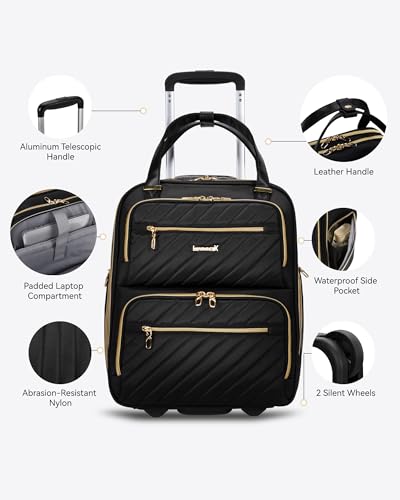
This is a soft sided bag and the listing does not name the fabric, which is a gap. Softside fabric determines how the bag ages, and the difference between a 600 denier polyester and a ballistic nylon is the difference between a bag that frays at the corners in a year and one that does not. What the listing does name is a reinforced bottom, which is the right place to reinforce, because the bottom edge is what drags on curbs, terminal thresholds and the metal lip of a jet bridge.
The wheels are two silent wheels rather than four spinner castors. That is the correct choice on an underseat bag and worth understanding. Two inline wheels sit at one end and the bag is tilted and pulled, which means the wheels are recessed into the body rather than protruding beneath it. Recessed inline wheels survive rough ground far better than spinner castors, they do not add to the measured depth in the same way, and they leave more of the interior available for packing. The trade is that you cannot push the bag upright beside you.
The handle is described as all aluminum, which is a better material claim than the unnamed plastics on most bags at this level. The back sleeve for stacking on a larger case is the feature that makes this bag work as part of a pair, and it is the detail that separates a rolling personal item from a plain tote.
Capacity, packing and a contradiction
The capacity data on this listing does not work. The capacity field gives 28.8 liters and the total capacity field gives 23 liters. A total that is smaller than the base is impossible. There is no expansion gusset mentioned anywhere, so the most likely explanation is that two different measurements, perhaps gross internal volume and usable packing volume, have landed in fields that imply a before and after relationship. Either way, treat the capacity as somewhere between 23 and 29 liters and unverified.
For context, 23 to 29 liters is a normal range for a rolling personal item and it is roughly half what a 20 inch cabin upright holds. Practically, that is two or three days of clothing for one person without a coat, or one day of clothing plus a laptop and its accessories.
Organization is the strong point: front organizers for small items, a padded 15.6 inch laptop compartment and a spacious main compartment. A padded laptop sleeve on a rolling bag is genuinely useful, because it means the machine travels in the bag that stays with you rather than in a case that might get gate checked.
Warranty, and what to weigh it against
LUGGEX offers what it calls a three year protection plan, with a customer service response promised inside twelve hours. A protection plan is not the same thing as a warranty against defects in materials and workmanship, and the listing does not publish its terms, its claim process or whether it covers handling damage. Airline handling damage is the standard exclusion across this category, and a plan that does not say it covers handling damage should be read as not covering it. Ask for the document before you rely on it.
The direct competitors are other rolling underseat bags, several of which sit in carry-ons on this site, including the BAGSMART 16 inch underseat case and the KROSER underseat suitcase. Compare on published dimensions and on whether the fabric is named, because those are the two things that separate them.
Who should buy it and who should not
Buy it if you fly basic economy fares and want a rolling bag that goes under the seat, you carry a laptop, and you value recessed inline wheels over spinner castors for durability. At 15.7 by 13.4 by 7.7 inches and 4.75 pounds the fundamentals are well suited to the job.
Skip it if you need more than two nights of packing, if you want to push a bag upright beside you, or if you fly ultra low cost carriers with tight personal item gauges, because those are exactly the carriers where a bag that fits most allowances does not fit theirs. And take the maker’s own advice about not overfilling the front pocket, because that is where the published depth stops being true.