



Description
The traveler this zipperless LUGGEX is built for
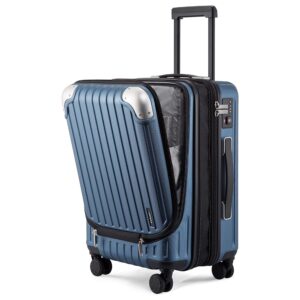
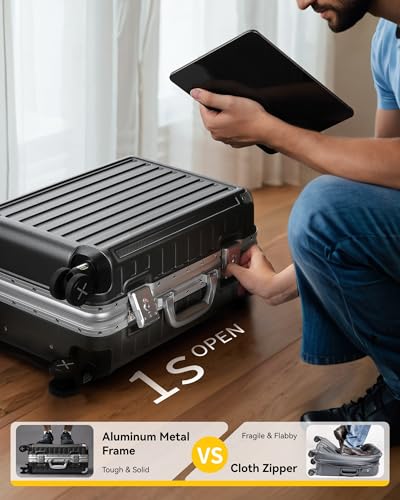
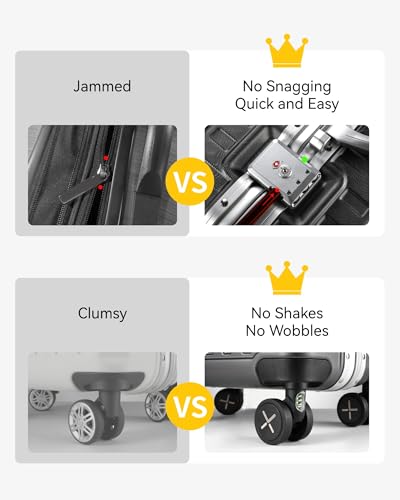
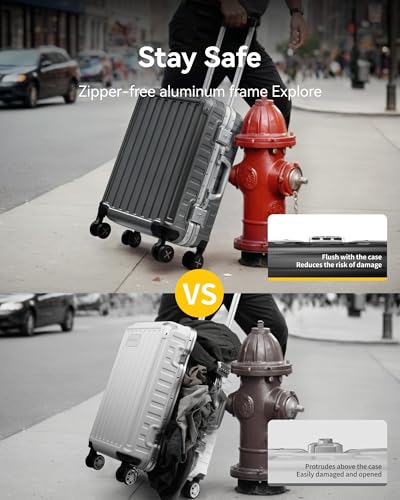
A zipperless case answers one specific complaint: the zipper on a full suitcase is the thing that bursts. LUGGEX replaces it with a polycarbonate shell on an aluminum frame, closed by TSA latches. That points at a traveler who has had a zipper fail, who checks the bag often enough for it to matter, or who simply wants to open a case at security without wrestling a track. It is a durability first purchase.
The trip is three to six nights. There is no expansion on this case, which is a consequence of the frame rather than an omission: a rigid frame cannot grow. That means you cannot come home fuller than you left, and it also means the case cannot be accidentally pushed past a sizer the way an expandable one can. If you want the expansion instead, the same brand’s zippered platform is reviewed as the LUGGEX expandable hard shell.
Dimensions, and an internal figure that cannot be right
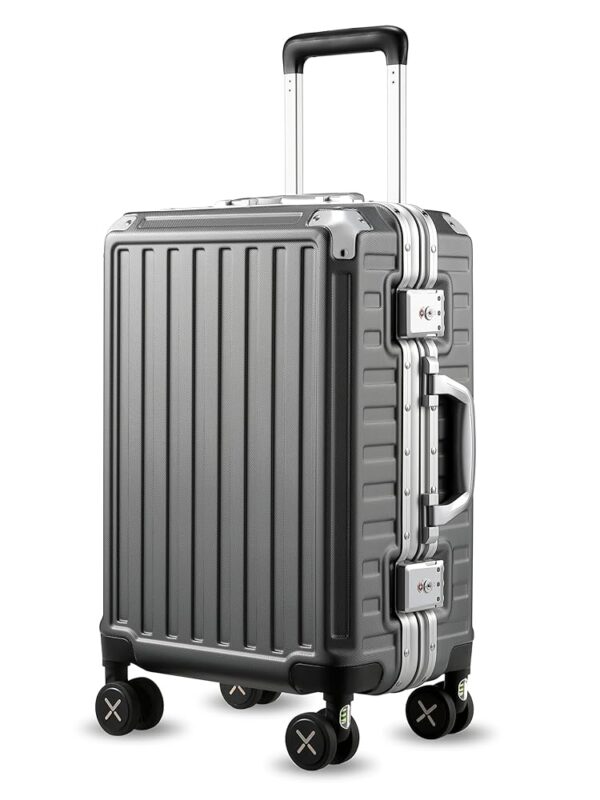
LUGGEX publishes external dimensions of 22 by 14.6 by 9.6 inches, and states explicitly that the figure includes the spinner wheels, the handle and the accessories. That disclosure is genuinely useful and uncommon. The specification block gives a slightly smaller 21.46 by 14.96 by 9.25 inches, which is the usual import rounding rather than a real disagreement.
Against the guideline, and against itself
The size guideline most often cited for United States domestic cabin baggage is roughly 22 by 14 by 9 inches. At 22 by 14.6 by 9.6 inches this case is at the height limit and over on both width and depth. A softside bag would compress into a sizer at those margins. A polycarbonate shell on an aluminum frame will not compress at all, which is the whole point of the construction and also the reason the half inch matters here more than it would elsewhere. We are not going to write that this case is airline approved, because no airline certifies luggage. Check the allowance published by the carrier and fare you booked, remember that budget and regional carriers are frequently stricter, and measure the case on arrival.
There is also a figure on this listing that cannot be correct as written. Internal dimensions are given as 18.3 by 13 by 9.5 inches against an external depth of 9.6 inches. That would leave one tenth of an inch of total shell thickness across both walls of a rigid polycarbonate case with an aluminum frame and internal wheel wells. It is not physically plausible. Either the internal depth is wrong or it is being measured somewhere other than where the case actually packs. Do not plan a packing system around 9.5 inches of internal depth. Measure it.
Frame, latches, corners and wheels
The shell is polycarbonate, named as such, reinforced with an aluminum frame and four aluminum corner protectors. Polycarbonate flexes under an impact and returns to shape where ABS cracks, and the corner guards armor the four points a case lands on when it comes off a belt. LUGGEX also claims the frame protects against extreme temperatures, which is a stretch: an aluminum frame does nothing thermal for the shell it surrounds.
The trade for a frame is weight and repairability. A zipper that fails can be replaced or worked around; a frame that bends stops the case closing and is not a roadside fix. Frames are also why this case weighs what it does, which the next section covers.
Closure is by TSA latches with a one touch release, and LUGGEX describes the lock as sitting close to the face of the case and requiring simultaneous pressure on both sides to open, which is a reasonable guard against the case springing open in transit. TSA latches mean a screener can open the case with a master key rather than forcing it. That is a screening convenience, not security. TSA master keys have been widely reproduced for years. Keep passports, cash and electronics on your person.
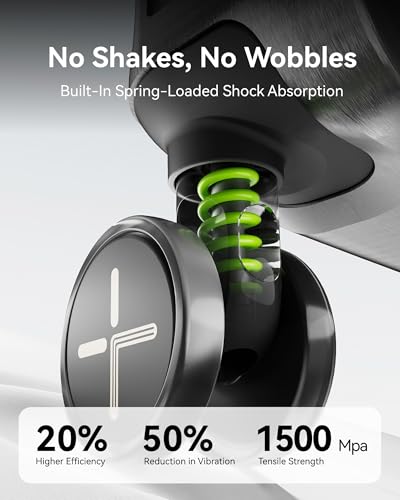
The wheels are the one place this listing describes real engineering: spinner casters with built in springs, which LUGGEX says reduce vibration and improve stability. Suspension on luggage casters is uncommon at this price and it addresses a genuine problem, which is that a rigid case transmits every crack in the pavement up the handle into your wrist. The general spinner trade still applies. Casters roll sideways well on smooth floors, catch and tip on rough ground, and are the first thing to break. On a case this heavy when loaded, that last point carries more weight than usual. A comparable aluminum framed approach is covered in the Feilario aluminum frame spinner.
Capacity, weight and what you are carrying before you pack
Capacity is published consistently at 36 liters in both the bullet and the specification block. For a case with an external envelope of 22 by 14.6 by 9.6 inches, which works out to roughly 3,080 cubic inches or about 50 liters, a 36 liter usable figure is credible once you account for the frame, the shell walls and the internal wheel wells. Thirty six liters is three to five nights packed sensibly, with no expansion available to bail you out.
Weight is 8.6 pounds empty, and that is the number to sit with. It is roughly two pounds heavier than a typical 20 inch polycarbonate case and about a pound and a half heavier than LUGGEX’s own zippered expandable version. The aluminum frame and corner guards are exactly where those pounds went, so this is a deliberate trade rather than sloppy design. It is still a trade you have to be able to afford. On carriers that weigh cabin baggage against a 7 or 8 kilogram allowance, 8.6 empty pounds is more than half the limit before anything goes in the case. On United States domestic routes it will not be weighed and the number stops mattering.
Lighter options in the same brand include the LUGGEX lightweight spinner. If a rigid frame is not the priority, the volume selling blended shells in our carry-on luggage section run two to three pounds lighter.
Warranty and the alternatives
LUGGEX states a free three year protection plan with a twelve hour customer service response commitment. Three years is longer than most of this bracket offers, and a stated response window is specific enough to be worth something. What the listing does not do is describe what the plan covers, and it says nothing at all about airline handling damage. That omission is standard across luggage warranties and it is the one that matters, because handling damage is how cases actually break, and a case sold on corner protection is a case aimed at handling damage. Read the plan document rather than the bullet.
Against the wider market, a zipperless frame case at this weight competes with aluminum bodied cases above it and with lighter zippered shells below it. Both directions are represented in our suitcases section, and the closest gadget forward zipperless alternative is the UrbanExplorer zipperless carry on, which publishes an even heavier empty weight.
Who should buy it and who should not
Buy it if zipper failure is the thing you are trying to design out, you want a named polycarbonate shell on an aluminum frame with sprung casters, and you fly routes where cabin bags are not weighed. Skip it if empty weight is your constraint, if you need the case to expand, or if you fly carriers with strict sizers, because the maker’s own external figure of 22 by 14.6 by 9.6 inches is over the commonly cited guideline on two axes and the shell has no give in it.