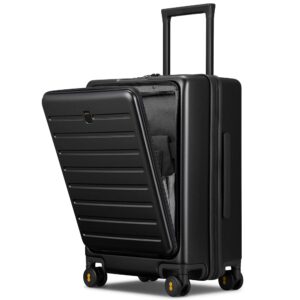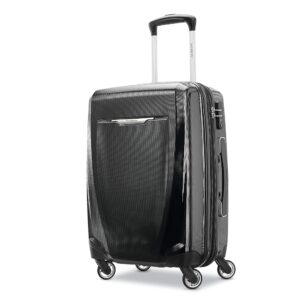
Description
The Trip This Case Is Designed Around
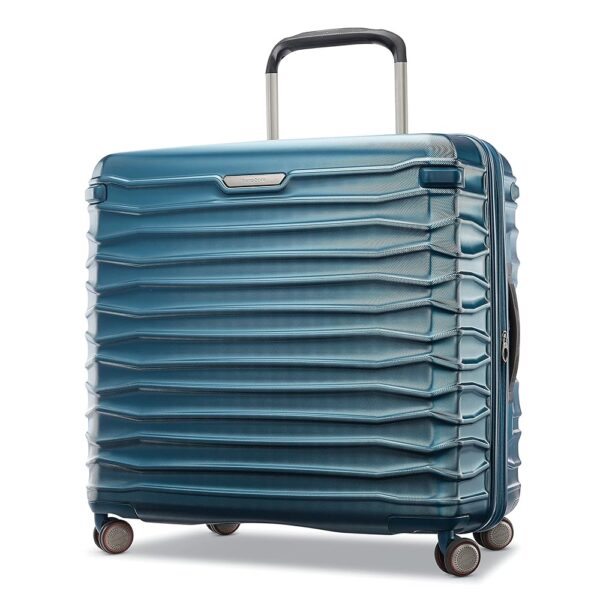
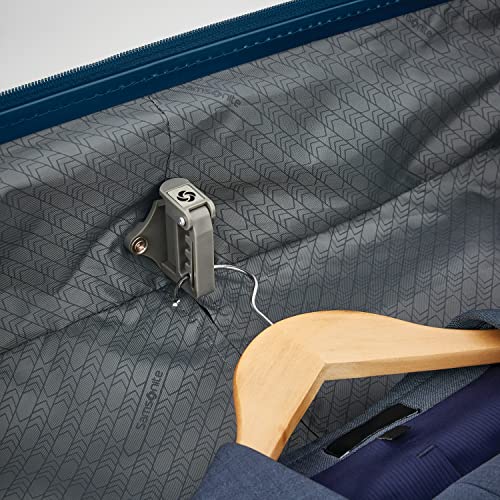
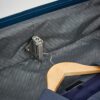
The Stryde 2 Large Glider is a big checked case with a split personality, and that is the point of it. One side is a hanging garment compartment with a tri-fold suiter plus room for folded items. The other is a conventional flat-pack side with a zippered lining, built-in pockets and a sealed WetPak compartment for liquids or damp clothing. So it replaces a suitcase and a garment bag with one object.
That suits a specific traveler: someone attending a wedding or a conference for a week, who needs formalwear to arrive uncreased and ordinary clothes alongside it, and who checks bags rather than fighting for bin space. If you only ever need the suit, a dedicated wheeled garment bag such as the Samsonite Ascella 3.0 garment bag weighs less and folds flatter. If you never carry hanging clothes, a plain checked case such as the Traveler’s Choice Maxporter II trunk gives you the same volume without the suiter structure.
The Wheel Description Contradicts the Model Name
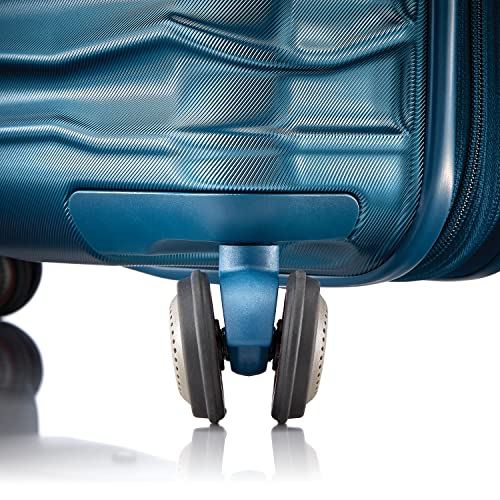
The marketplace title says double spinner wheels. The model name says Glider, which in Samsonite’s own naming denotes a two wheel upright rather than a four caster spinner. The feature bullets describe a patented Off-Set Tru-Trac GT wheel system with multi layer tire technology and a V-shaped design, and they never state a wheel count at all.
Those signals do not resolve cleanly from the listing. Tru-Trac is Samsonite’s large diameter two wheel arrangement, and a V-shaped, vibration damping, multi layer tire is a description of a substantial single wheel rather than of a small caster. The most plausible reading is a two wheel glider, with the title text being range boilerplate. We are not going to assert it. If you need spinners, confirm the wheel count with the seller before ordering, because a two wheel bag is towed rather than pushed and that is a fundamentally different way to move a heavy case.
What can be said is that large inline wheels are the better engineering choice on a heavy checked bag. They handle gravel, curbs and loading dock lips far better than small casters, they sit within the footprint rather than protruding, and they present less to be sheared off on a conveyor. Exposed spinner casters remain the most common failure point on any wheeled case, and that risk rises with weight.
Dimensions, and the Sixty Two Inch Line
The specification block gives 24.61 by 24.8 by 12.99 inches. That is the only dimension set on the listing, and it does not say whether the wheels and handle housing are included, nor whether the figure describes the case or its shipping carton. The 24.8 inch width is unusually large for a case of this height, which is one reason to treat the set with caution.
Add them as published: 24.61 plus 24.8 plus 12.99 comes to 62.4 linear inches. Most United States carriers limit checked baggage to 62 linear inches before oversize charges apply, so on its own figures this case is four tenths over the common line before anything is packed.
That margin is small enough to depend entirely on how a bag is measured at a counter, and large enough to matter, because oversize fees apply per bag per direction and some carriers set a hard maximum above which they will not accept an item. The title also describes the case as expandable, and no expansion depth is published anywhere, so the expanded total cannot be calculated at all. Check your specific airline’s published linear inch limit and its oversize charge, and treat an expanded case as a separate risk.
Polycarbonate, YKK Fuzion Zippers and a Staged Handle
The shell is stated as 100 percent polycarbonate with geometric sculpting for structural rigidity. Naming the polymer matters: polycarbonate flexes under impact and returns to shape rather than shattering, which is why it survives baggage handling better than the cheaper and more brittle ABS. Sculpted geometry is a real stiffening technique rather than styling, since a molded rib pattern resists panel flex better than a flat sheet of the same thickness. Its weakness remains the corners, and no corner guards are described here.
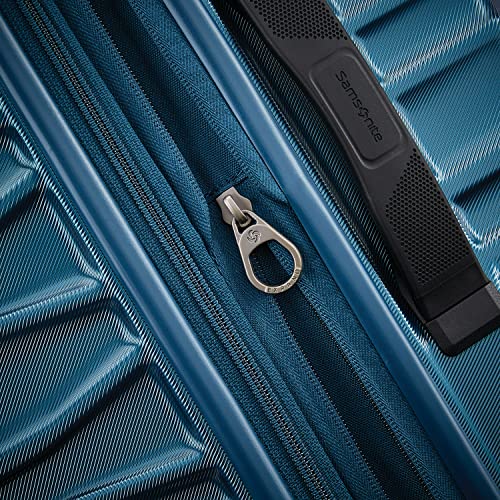
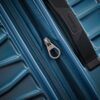
The zippers are named as Fuzion by YKK. This is one of very few listings in this catalog that names a zipper brand at all, and on a checked case it is the specification that most deserves attention. A standard coil zipper is the weak point of any soft closure: it can split under load and it can be opened covertly with a ballpoint pen and closed again by running the sliders back. Samsonite says the Fuzion design removes those traditional weak points. That is the maker’s claim about its own component, and naming YKK at least tells you who made it, which is more accountability than an anonymous zipper gives.
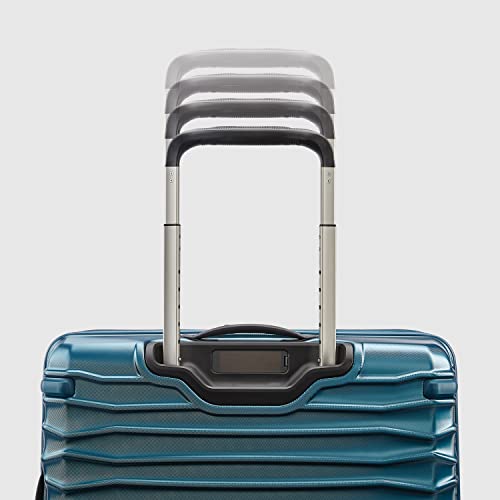
The handle is the RightHeight pull system with multiple one inch incremental adjustments and a comfort grip. Naming the increment is genuinely useful, since most cases offer two or three fixed stops that suit two or three heights. No extended height range is published.
The lining is Recyclex polyester woven from post consumer recycled bottles, dyed with a process Samsonite calls Clean Chroma. That is an environmental specification rather than a durability one. The same material appears in the Samsonite Winfield 3 DLX range.
Capacity, Weight and the Fifty Pound Ceiling
Capacity is published as 7,676.3 cubic inches in two fields, agreeing with itself, which works out to roughly 125.8 liters. That is a genuinely large case, comparable to the 125 liters of the Samsonite Framelock Max 29 inch.
Empty weight is 12.13 pounds in one field and 12.1 in another, which is the same figure rounded. Work through what that means in practice. Most carriers cap checked baggage at around 50 pounds before overweight charges start. Twelve pounds of empty case leaves roughly 38 pounds of useful allowance, and 125 liters will hit 50 pounds long before it is physically full, particularly with a garment side that encourages packing shoes and formalwear. On a case this size the weight limit binds long before the volume does, and the suiter structure is part of what makes the empty case heavy.
The Warranty Nobody Published
No warranty appears anywhere on this listing. That is worth flagging specifically, because Samsonite publishes a 10 year limited term against defects in materials and workmanship on several other listings in this same catalog, and nothing carries across automatically between lines. Do not assume a term applies. Ask before buying, and read the covered failure mode when you do, since a defects warranty is a different thing from cover for airline handling damage, which is what actually breaks a checked case.
The feedback record is 4.5 across 573 ratings, ranked 130th in Suitcases and 125,041st in Clothing, Shoes and Jewelry. A 4.5 is above the typical range in this catalog, though the sample is moderate for a case at this level. Country of origin is Thailand. Note also that Samsonite’s own description opens by calling the collection a perfect combination, which is marketing language rather than a specification. The suitcases category holds the alternatives.
Who Should Buy It and Who Should Not
Buy it if you check bags, carry formalwear and ordinary clothes on the same trip, and value a named polycarbonate shell, a named YKK zipper and a handle adjustable in one inch steps. The dual sided suiter layout is the genuine reason to choose this over a plain case. Do not buy it without checking your airline’s linear inch limit, because the published dimensions total 62.4 inches against a common 62 inch line and the expansion is unquantified. Confirm the wheel count with the seller, since the title says spinner and the model name says glider. And ask about the warranty, because none is published.